


Maybe one of the most overlooked topics when it comes to a fireplace or wood-burning stove security and correct usage is what is the best wood to burn. A Lacey Chimney Service professional describes what to look for and what to avoid when deciding what to burn inside your fireplace or stove. When inappropriate items or incorrect wood are burned, it can lead to many problems for the chimney and your home’s inhabitants so it is of utmost significance to only use suitable products.
What to Avoid
It is essential to understand what to burn, but it might be more important to know what not to. It is tempting to use your fireplace or wood-burning stove as a location to incinerate trash as well as other combustible items, but it is very unsafe and detrimental for your chimney to do so. Avoid utilizing green, (otherwise known as unseasoned wood), painted wood, any sort of treated wood, or driftwood. Avoid burning trash, any colored paper such as wrapping paper, Christmas trees, and dryer lint. All these products can emit chemicals when burned which can put you as well as your family members in danger.
Which Wood is Right?
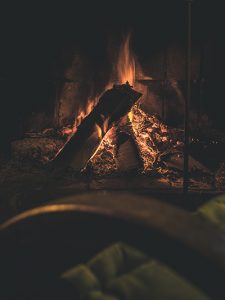
You will find two general kinds of wood: hardwood and softwood. A few of the most common North American hardwood trees are birch, cherry, and oak. Some common softwood trees are fir, cedar, and redwood. Based on what you’re utilizing the wood for determines which wood is best. Hardwoods develop very slowly which creates a very dense wood. The denseness tends to make them burn hot for a lengthy period of time without an excess of sparks or smoke. Hardwood produces more BTU’s per piece of wood than much less dense softwoods. Due to the big flames and how rapidly softwoods burn, they’re more suited for campfires and kindling. They’re not very good for fireplaces or wood-burning stoves simply because the fires produced to produce a large quantity of smoke and also the fuel needs to be replaced far more often when burning softwoods.
Lacey Chimney Service Technicians Suggest Hardwood
Typically, hardwood will be the preferred wood to use in fireplaces and wood-burning stoves. Because of the denseness of the wood, it allows the fire to last a great deal longer in comparison to a fire produced by softwood. If you were to burn a piece of softwood and a piece of hardwood which is similar in size, the length of time the hardwood log will burn will probably be significantly longer. Plus, the result of burning hardwoods also creates hot coals which creates radiant heat helping to keep the surrounding region warm even when the fire has dwindled. The coals also make the fire much easier to relight if essential. The long-lasting fires and also the low output of smoke makes hardwoods the top choice for fireplaces.
Ask a Lacey Chimney Service Business if you’re Unsure
When in doubt, ask. Get in touch with a Lacey Chimney Service business like Baron’s Chimney Service if you’re unsure if you’re utilizing your fireplace properly. When you burn incorrect fuel in your fireplace or wood-burning stove, you can be putting your family at risk of breathing in carcinogens. It’s much better to ask prior to possibly doing harm to your chimney or worse, trigger a chimney fire by utilizing inappropriate fuel in your fire.
The Importance of Properly Storing Firewood
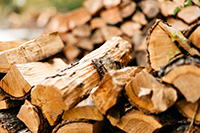
Selecting the right wood to burn in your fireplace or wood-burning stove is only part of the equation—proper storage is just as crucial. Even if you choose the best hardwoods, such as oak, cherry, or birch, improper storage can lead to moisture retention, mold growth, or insect infestations, all of which can impact the efficiency and safety of your fire.
How to Store Firewood Correctly
Lacey Chimney Service professionals recommend keeping firewood dry and well-seasoned before use. Ideally, you should split and stack wood in an area with good airflow, allowing it to dry out properly. Also, you should store firewood off the ground on a rack or pallets to prevent moisture absorption. Covering the top of the woodpile with a tarp or shelter can help protect it from rain and snow while leaving the sides open to allow for adequate ventilation.
Seasoned wood, which is wood that has been dried for at least six months to a year, burns more efficiently, producing less smoke and creosote buildup in your chimney. Creosote is a highly flammable substance that accumulates inside the chimney and is a major cause of chimney fires.
Signs Your Firewood is Ready to Burn
Properly seasoned firewood will have cracks along the ends, feel lightweight, and produce a hollow sound when two pieces are knocked together. Additionally, well-seasoned wood burns more cleanly and produces less creosote buildup, reducing the need for frequent chimney cleanings.
By selecting the right wood and ensuring you season and store it properly, homeowners can improve the efficiency and safety of their fireplaces while enjoying a warm and cozy fire throughout the colder months.